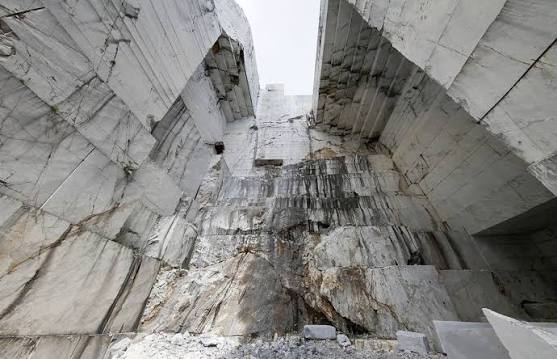
When people think of white marble, they often describe it as luxurious or timeless. But those are opinions. The real reasons behind its value are much more interesting. They come from geology, human psychology, and rarity.
1. White Is a Neutral Color
White is one of the few colors that works with almost every material and design style. Unlike green, red, or brown stones, white does not dominate a space. It reflects light, creates visual balance, and allows other materials like wood, metal, or fabric to stand out.
This is one reason architects have consistently chosen white marble for centuries. It adapts rather than competes.
2. Humans Naturally Associate White with Purity
Across many cultures, white is linked with cleanliness, simplicity, and new beginnings. These associations are deeply rooted in human psychology and are not limited to architecture.
This does not mean everyone prefers white, but it explains why white surfaces often feel calm, clean, and uncluttered. That psychological response makes white marble appealing in homes, temples, museums, and public buildings.
3. Truly White Marble Is Geologically Uncommon
This is where geology matters.
Marble forms when limestone is transformed under heat and pressure. For marble to remain almost completely white, the original limestone must contain very few impurities.
Even tiny amounts of iron, clay, organic material, or other minerals can change the color to grey, beige, green, pink, or brown. Because nature rarely produces limestone that pure, high-quality white marble is much less common than colored marble.
4. History Has Increased Its Value
Many of history’s most important sculptures and monuments were created from white marble because fine-grained white varieties allowed artists to carve intricate details while also reflecting light beautifully.
Over centuries, this created a long tradition of using white marble for important buildings and artwork. Its reputation today is supported by that history as much as by its geology.
5. White Marble Is Rare
White marble is more valuable because it is naturally less common. It can only form from exceptionally pure limestone, and even then, only a small percentage of quarried stone meets the quality required for premium use.
Like any natural resource, limited supply combined with steady demand increases value. High-quality white marble has remained in demand for centuries, while nature produces it in relatively small quantities.
Its value comes not just from its appearance, but from how rarely nature creates it.
Why Statuario Marble Is Considered the Soul of White Marble
Statuario Marble is more than a rare white stone—it represents the highest expression of what white marble can become. Its reputation has been built over centuries through geology, craftsmanship, and history.
Found in the Apuan Alps of Carrara, Italy, Statuario has been quarried since Roman times. The finest blocks were reserved for monuments, sculptures, and architecture that were meant to last for generations. This long association with history is one reason it continues to hold a unique place among white marbles.
What makes Statuario exceptional is its balance of purity and character. Its bright white background and bold grey veining occur naturally and only in limited quantities. The marble’s fine crystalline structure also allows it to take an exceptional polish, giving it a depth and clarity that has fascinated sculptors and architects for centuries.
Statuario is also remarkably durable. Like many high-quality metamorphic marbles, it develops character over time rather than losing it. Many of the world’s greatest marble sculptures and historic buildings have survived for hundreds of years because of these natural properties.
In India, Statuario has become the benchmark for premium white marble. It is not simply a building material but a symbol of craftsmanship, rarity, and thoughtful design. When people speak of the finest white marble, Statuario is often the reference point.
Perhaps its greatest legacy is cultural rather than commercial. From Roman architecture to Renaissance masterpieces, Statuario has been the medium through which artists, architects, and craftsmen transformed stone into works that continue to shape human history. In that sense, Statuario is not just a White Marble—it is the Soul of White Marble.
Frequently Asked Questions
Q1. Why is white marble considered more valuable than colored marble? White marble is geologically rarer because it requires exceptionally pure limestone with very few impurities. It also carries strong psychological associations with purity and cleanliness, and a long architectural history, all of which combine to increase its perceived and actual value.
Q2. What makes a limestone deposit produce white marble instead of colored marble? The purity of the original limestone determines the final color. Even small amounts of iron, clay, or organic material introduced during formation can shift the color toward grey, beige, green, pink, or brown, while genuinely pure limestone produces white marble.
Q3. Why is Statuario marble called the “Soul of White Marble”? Statuario represents the highest expression of white marble’s qualities — a bright white background, bold natural veining, a fine crystalline structure that takes an exceptional polish, and a centuries-long history of use in some of the world’s most important sculptures and buildings.
Q4. Where does Statuario marble originally come from? Statuario marble originates from the Apuan Alps near Carrara, Italy, and has been quarried since Roman times, historically reserved for monuments, sculptures, and significant architecture.
Q5. Is Statuario marble considered the benchmark for premium white marble in India? Yes. In India, Statuario marble in kishangarh has become the reference point for premium white marble, valued as a symbol of craftsmanship and rarity rather than simply a building material.