Most rooms in a home are built for doing things. A kitchen is for cooking. A living room is for guests. But a bathroom is different. It is where the day starts and where it ends, often in silence, often in a hurry, and sometimes in the only quiet ten minutes you get.
So why do so many bathrooms feel loud? Bright tiles, busy patterns, clashing colours, and cold glossy surfaces can make a small room feel tense. A calm bathroom needs a quieter wall, and this is where Michelangelo marble has been getting attention from homeowners and designers.
This blog explains why this soft white stone suits bathroom walls, how to use it properly, and what you must check before you buy.
Why Calm Matters on a Bathroom Wall
A bathroom wall is the largest surface you see while standing in the room. It sets the mood before anything else does.
Strong, dramatic veining can look stunning in a living room, but in a small bathroom it can feel heavy, because there is nowhere for the eye to rest. A gentle, even stone does the opposite. It keeps the room light, open, and peaceful.
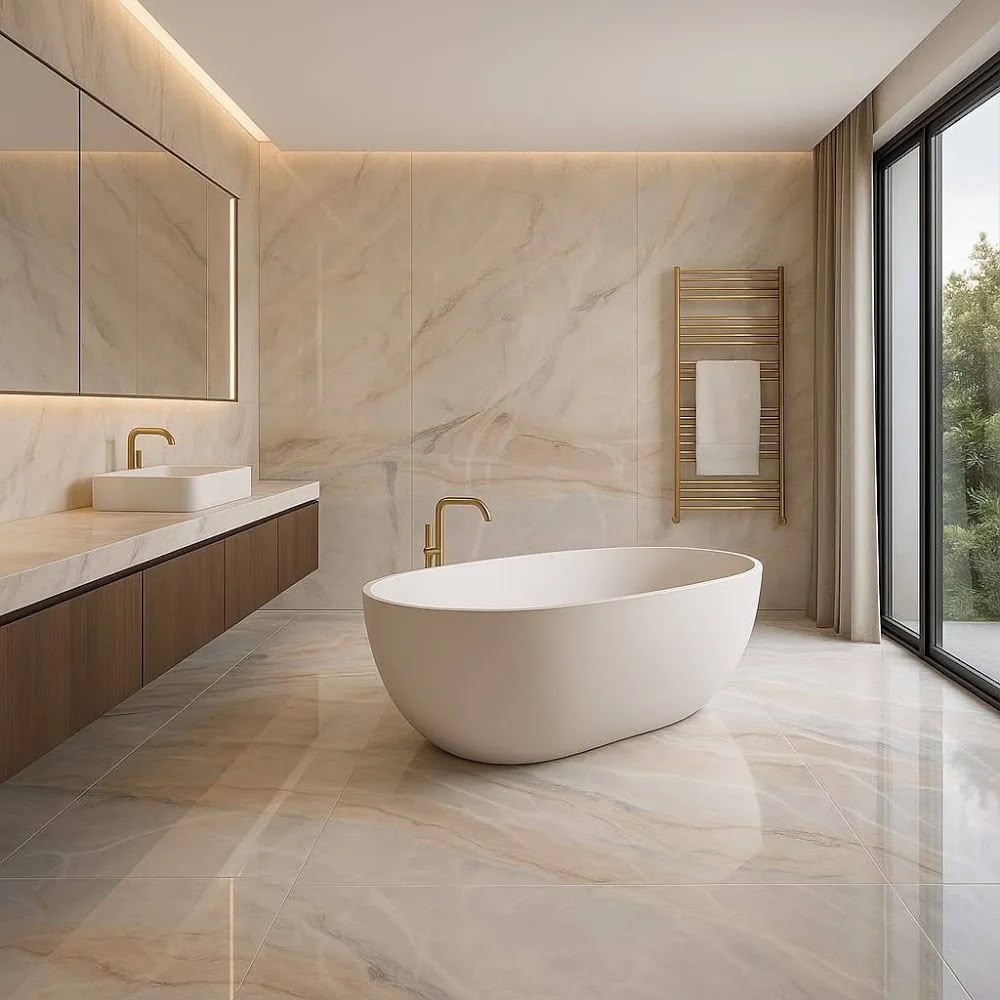
This is the main reason people look at Michelangelo marble for bathrooms. The stone is known for a white to soft cream background with gentle, cloud-like veining, rather than sharp, bold lines. On a wall, that softness reads as calm.
What Is Michelangelo Marble?
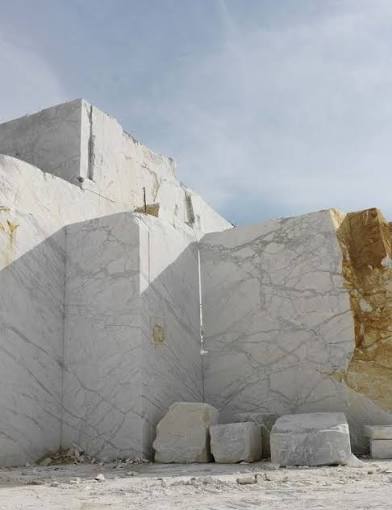
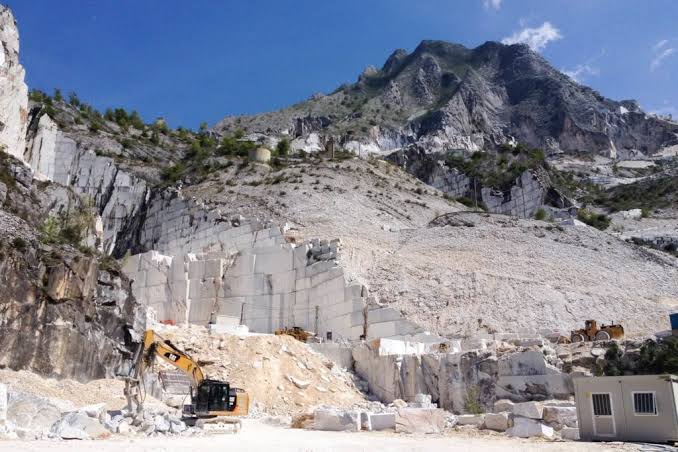
Michelangelo marble is a premium white marble sold widely in India. As covered in our earlier guides, it is quarried in the Estremoz region of Portugal, and it carries the name as a tribute to the standard of quality the sculptor Michelangelo was famous for, not as a claim that it comes from Italy.
Its look is soft and elegant, which is exactly why it fits quiet spaces such as bathrooms, bedrooms, and prayer corners.
Walls vs Floors: Where Michelangelo Marble Works Best in a Bathroom
This is the most useful decision you will make.
On the walls Walls get steam and the occasional splash, but they are not walked on. This makes them the safest and most natural place for marble in a bathroom. A polished or softly honed wall also reflects light and makes the room feel bigger.
On the vanity or counter A marble vanity top looks beautiful, but it meets soap, toothpaste, shampoo, and cosmetics every day. It needs sealing and regular wiping.
On the floor A wet polished floor can be slippery. If you use marble on a bathroom floor, a honed or textured finish is usually the safer choice, and the shower area often needs extra grip, such as smaller tiles with more grout lines.
For a calm, low-risk start, many homeowners choose marble on the walls first, then add matching accents elsewhere.
Polished or Honed: Which Finish for a Calm Wall?
- Polished gives a glossy surface that reflects light. It brightens a small bathroom, but shows water spots and fingerprints more easily.
- Honed gives a soft, matte surface with no glare. It feels gentler to the eye and hides small marks better, though it may absorb stains a little more easily if not sealed well.
If your goal is calm, a honed or softly polished wall is often the more peaceful choice. Always view a larger sample of the finish before deciding.
How Steam, Soap and Water Affect Marble
Marble is a natural stone, and natural stone is porous to some degree. In a bathroom, three things matter most:
- Steam and humidity. Constant moisture can find its way into unsealed stone over time.
- Soap and shampoo. Many bathroom products can leave marks or dull the surface if left sitting.
- Acids. Some cleaners, and even certain bathroom products, can etch (dull) polished marble.
The good news is that all three are manageable with proper sealing and simple habits.
A note on the stone itself: In the trade, Estremoz marble is often described as having low water absorption compared with many other marbles. Since this can vary from lot to lot, ask your supplier for the actual test details for the slabs you are buying instead of relying on a general claim.
Getting the Installation Right (This Part Is Often Missed)
A beautiful stone can still fail if the work behind the wall is poor. Ask your contractor about these points:
- Waterproofing behind the stone. The wall behind the marble should be properly waterproofed, especially in the shower area.
- The right adhesive. White and light marble can show a darker adhesive through the stone. Ask your installer to use an adhesive suitable for white marble.
- Spacing and grout. Use a grout colour that suits the stone, and keep joints neat and tight.
- Sealing. Seal the marble before and after installation, as advised for your chosen stone.
- Ventilation. A window or exhaust fan helps reduce steam, which protects not only marble but the whole bathroom.
Daily Care: Keep It Simple
You do not need a long routine. A few habits go a long way:
- Wipe splashes and soap marks with a soft, dry or lightly damp cloth
- Use a pH-neutral cleaner made for natural stone
- Avoid vinegar, lemon, bleach, and harsh acidic bathroom cleaners
- Use a squeegee after showers if you can
- Reseal the stone from time to time, as your supplier advises
Mistakes to Avoid
- Choosing from a small sample only. A sample is just one piece of a bigger natural stone. Always look at the actual slabs.
- Mixing slabs from different lots. The tone may not match across the wall.
- Ignoring the finish. A polished wall and a honed wall look quite different.
- Skipping sealing. In a humid room, this is the most common cause of regret.
- Using strong cleaners. One wrong bottle can dull a polished wall.
- Forgetting the lighting. Warm lights make marble look creamier, while cool lights make it look whiter. Test both.
Questions to Ask Your Supplier Before You Buy
- Is this stone genuine Michelangelo marble, and where does it come from?
- Can I see the exact slabs, not just a sample?
- Are all my slabs from the same lot?
- What is the finish, and what do you recommend for a bathroom wall?
- Can you share the water absorption details for these slabs?
- What sealer and installation method do you recommend?
- Is the price ex-warehouse, and are freight and GST shown separately?
Why Source Michelangelo Marble in Kishangarh
Kishangarh in Rajasthan is one of India’s best-known marble hubs. Buying Michelangelo marble in Kishangarh lets you compare many slabs in one place, ask direct questions to the people who handle the stone every day, and often avoid extra middleman costs.
Why Choose White Mansion Marble
As a trusted Best marble company in Kishangarh, White Mansion Marble helps you plan a calm, practical bathroom with the right stone. We help you:
- See real Michelangelo marble slabs, in person or through video selection
- Choose a finish that suits walls, vanities, or floors
- Match slabs from the same lot for an even look
- Understand sealing and care for a humid room
- Get a clear, itemised quote with freight and GST shown separately
Frequently Asked Questions
Q1. Is Michelangelo marble good for bathroom walls? Yes, it is a popular choice. Its soft white to cream tone and gentle veining create a calm look, and walls are a safer place for marble than a wet floor. Proper sealing and waterproofing are important.
Q2. Can I use Michelangelo marble on a bathroom floor? You can, but a polished surface can be slippery when wet. A honed or textured finish is usually safer, and the shower floor often needs extra grip.
Q3. Is polished or honed Michelangelo marble better for a bathroom? Polished marble is glossy and reflects more light, while honed marble is matte and gentler to the eye. Many homeowners choose honed or softly polished finishes for a calm wall.
Q4. Does Michelangelo marble need sealing in a bathroom? Yes. Like most natural marble, it is porous to some degree, and a bathroom has steam, soap, and splashes. Seal it before and after installation, and reseal from time to time.
Q5. Does steam damage Michelangelo marble? Steam alone does not usually ruin marble, but constant moisture without sealing or ventilation can lead to stains and dullness over time. Good ventilation and sealing help protect it.
Q6. How do I clean Michelangelo marble in a bathroom? Wipe it regularly with a soft cloth and use a pH-neutral cleaner made for natural stone. Avoid vinegar, lemon, bleach, and strong acidic cleaners.
Q7. Will white marble show the adhesive behind it? It can. Light marble may show a darker adhesive through the stone, so ask your installer to use an adhesive suitable for white marble.
Q8. Why should I see the actual slab and not only a sample? A sample is a small piece of a large natural stone, so the full slab can look different in veining and tone. Always choose the exact slabs you will receive.
Q9. Where can I buy Michelangelo marble in Kishangarh? Kishangarh in Rajasthan is a major marble hub. Choose a supplier who shows real slabs, gives written details, and provides a clear, itemised quote.
Q10. How do I choose the best marble company in Kishangarh for a bathroom project? Pick a supplier who shows actual slabs, explains finishes and sealing honestly, gives clear written quotes, and offers safe, tracked delivery.
Final Thought
A calm bathroom does not come from expensive fittings or loud design. It often comes from one quiet decision: a wall that lets your eyes rest. Michelangelo marble, with its soft tone and gentle veining, can be that wall, as long as it is chosen carefully, installed properly, and cared for simply.
Planning a calm bathroom with marble? Talk to White Mansion Marble, a trusted best marble company in Kishangarh, for genuine Michelangelo marble in Kishangarh and honest guidance before you order