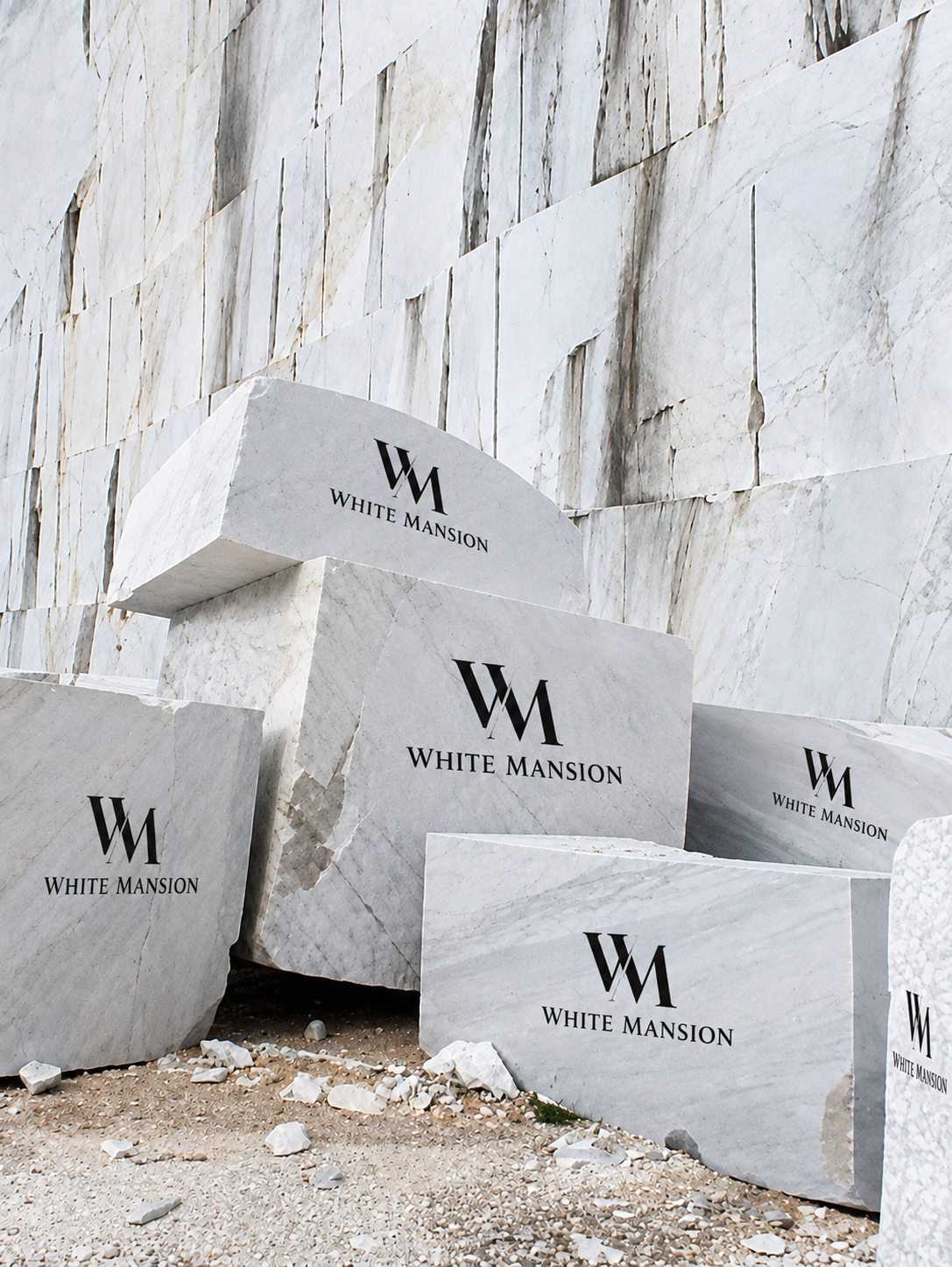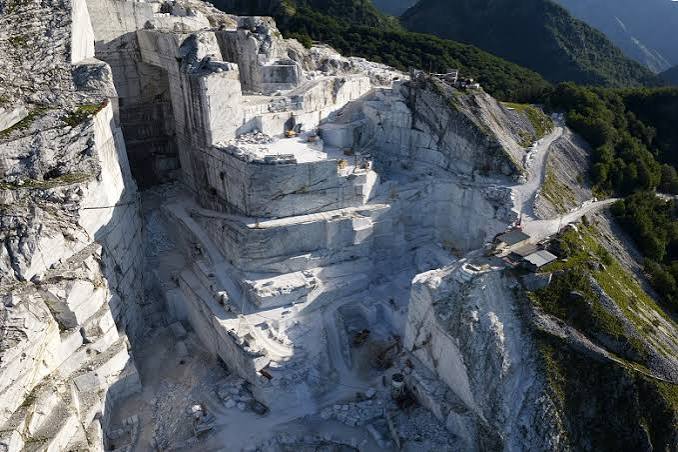
There is a room in Kishangarh that most people will never see.
It has no signboard. No showroom lighting. No polished floor to walk you in gently. It is simply a quiet, high-ceilinged space where massive blocks of stone are cut open for the first time — and where a handful of trained eyes decide, in seconds, whether a slab is worthy of being called Statuario Marble.
This is where the story of your home’s marble actually begins. Long before it reaches a living room in Mumbai or a staircase in Jaipur, every piece of genuine Statuario passes through a moment like this — a moment of judgment that most buyers never get to witness.
We want to take you inside it.
What Makes Statuario Marble So Rare in the First Place
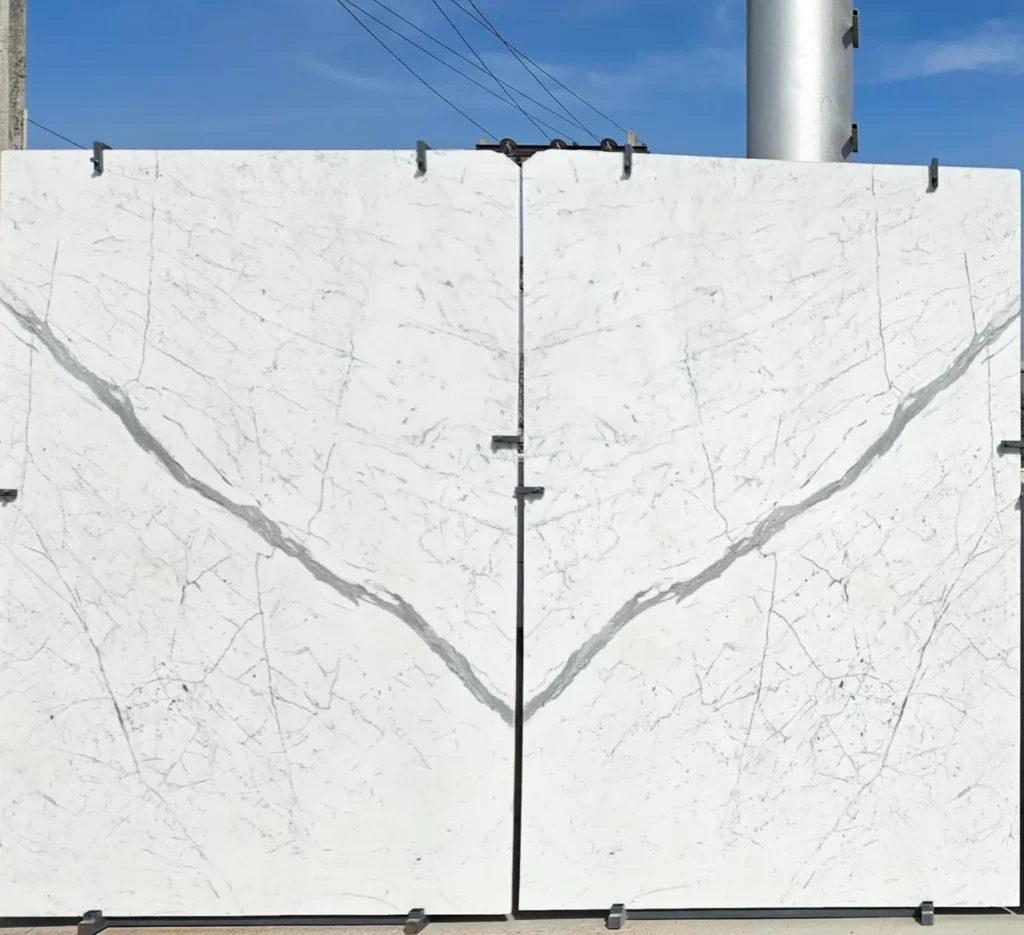
Statuario Marble in kishangarh comes from a small number of quarries, historically linked to the same region in Italy that supplied marble for some of the most celebrated sculptures in history. Unlike ordinary white marble, Statuario is defined by two things that are genuinely difficult to find together in nature:
- A bright, almost luminous white base — not the dull grey-white of common marble
- Bold, dramatic veining that flows across the slab like brushstrokes, without breaking into a chaotic, patchy mess
Nature does not produce this combination often. For every large block of raw stone that is cut open, only a small percentage reveals a face that meets this standard. The rest is simply… marble. Good marble, perhaps. But not Statuario.
This is the first thing buyers rarely understand: Statuario is not a marketing name. It is a description of a specific, rare visual outcome that stone either has — or does not.
Inside the Selection Room: How a Slab Earns the Name “Statuario”
When a block arrives at the facility in Kishangarh, it is cut into slabs and laid out under natural or specially balanced lighting. This is the moment that matters most.
A trained selector looks for:
- Consistency of tone — does the white stay even, or does it shift into yellow or grey patches?
- Vein character — do the grey-gold veins move naturally, or do they look scattered and directionless?
- Structural integrity — are there fissures or weak points that will cause problems during cutting, polishing, or installation years later?
- Depth and translucence — when light hits the surface, does it seem to sit inside the stone, or just on top of it?
A slab has to pass all four. Fail even one, and it is set aside — not discarded, simply reclassified as a different, lower grade of marble. This single-slab, face-by-face judgment is why genuine Statuario can never be mass-produced. It is chosen, not manufactured.
Why This Story Matters to You, the Buyer
Here is the uncomfortable truth of the Indian marble market: the word “Statuario” gets used loosely. Slabs that would never pass the selection room test are sometimes sold under the same name to buyers who have no way of verifying the difference.
This is not a scare story — it is simply why the sourcing story matters as much as the stone itself. When you know how a slab is actually chosen, you know what questions to ask before you buy:
- Where was this block quarried?
- Was it selected slab-by-slab, or bought in bulk without individual grading?
- Can I see the slab in person before it is cut for my project?
A supplier who welcomes these questions is very different from one who avoids them.
From the Selection Room to Your Home
Once a slab is approved, it still has a long journey ahead — cutting to size, honing, polishing, and careful packing for transport. But the character of the stone, the thing that will make your floor or wall genuinely striking, was already decided in that quiet room in Kishangarh, long before installation day.
That is the part of the story most buyers never get to see. We think they should.

Frequently Asked Questions
1. What is Statuario Marble, and why is it considered rare? Statuario Marble is a premium white marble known for its bright white background and bold, natural veining. It is considered rare because only a small percentage of quarried blocks produce slabs with this exact combination of tone and vein character.
2. How can I tell if I am buying genuine Statuario Marble in Kishangarh? Genuine Statuario should show a consistently bright white base with distinct, flowing veins — not scattered patches or a dull grey tone. Ask your supplier whether slabs are individually selected and whether you can view the actual slab before purchase, rather than relying on sample photos alone.
3. Why is Kishangarh known as a hub for marble in India? Kishangarh, Rajasthan, has developed over decades into one of India’s largest marble processing and trading centres, home to some of the best marble companies in India. Raw blocks, including imported Statuario, are cut, polished, and finished here before reaching homes across the country.
4. Is Statuario Marble suitable for Indian homes and climates? Yes. When properly sealed and maintained, Statuario Marble performs well in Indian residential settings, whether used for flooring, wall cladding, or statement features like staircases and kitchen counters.
5. What should I look for in the best marble company in Kishangarh? Look for a company that is transparent about sourcing, allows in-person slab selection, and can clearly explain grading differences. A trustworthy marble company in Kishangarh will never discourage you from asking where and how a slab was chosen.
White Mansion Marble specializes in Statuario Marble, sourced and selected slab-by-slab in Kishangarh. To see genuine Statuario in person, message us on WhatsApp for a private consultation.